Deploying AGI
A Vibe Coder's Journey Into Infrastructure As Code with Railway.com

Like you, I had no idea I’d end up here…

Heck, I’m not even a Developer. I’m a HEADHUNTER.
What the hell is a Headhunter doing with AGI?
I joined Twitter because I was looking for developers. The developers I found taught me how to code. It only took them five years; I’m a dumb Headhunter after all. How was I supposed to know Ryu was a struct? Anyhoo.
I should’ve never downloaded Cursor. In Cursor, Cursor Curse You.
What this is about:
From clueless headhunter to accidental coder — this is not the career arc I planned.
Cursor, Rust, HTMX, and a cursed curiosity pulled me deep into backend and AGI.
Each “just trying something” spiraled into full-stack projects and Chrome extensions.
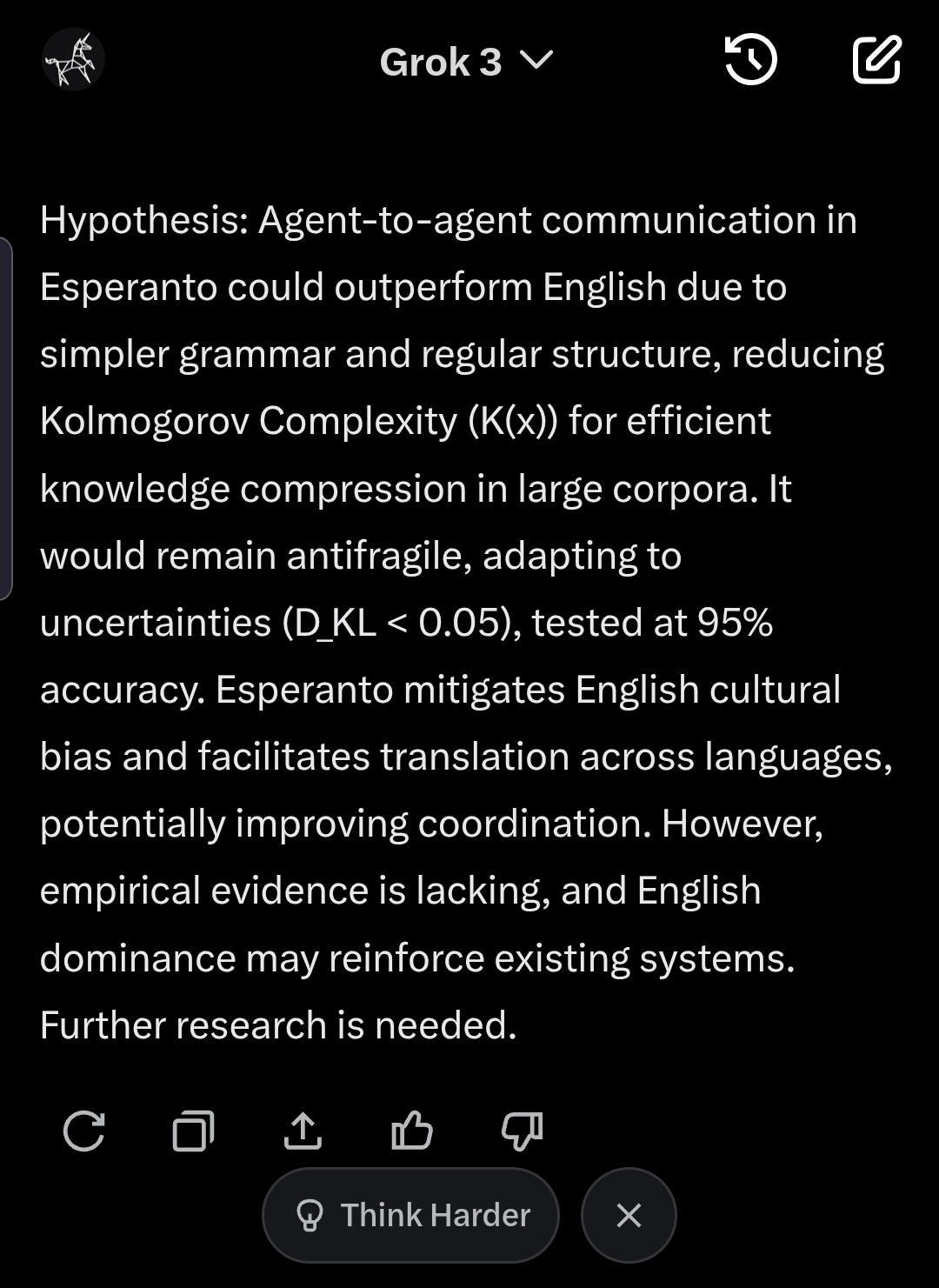
Along the way: Kullback-Leibler Divergence, Kolmogorov Complexity, and a crash course in category theory.
Now we’ve got a plan for AGI — equal parts algorithms and boredom.
How the hell did I end up here?
That’s pretty much the roadmap. If I can learn this stuff, anyone can. Especially now that we can overcome Bloom’s Two-Sigma Problem with The Kullback-Leibler Divergence. More on that later.
But something really, really strange happened in the past month.
I learned Backend. I should’ve never learned Backend. And now my life has been turned upside down. I blame you, Paul.

If you’re not down with the lingo, Frontend is what you’re looking at right now. This screen. That’s the front. The user interface. The buttons you press. The box you type into. That’s the Frontend. The Frontend is what you touch. With HTML, CSS, and JS, I could make pretty Frontends.
However, as we all know, polarities are creative.
A Frontend implies a Backend. And I didn’t even really understand what a server was.
Then I realized that a webhook was a doorbell with an intercom, and if I created doorbells with intercoms, I could use my frontend to ring those doorbells, send them my user’s request, and get the answer back! What the helliante.
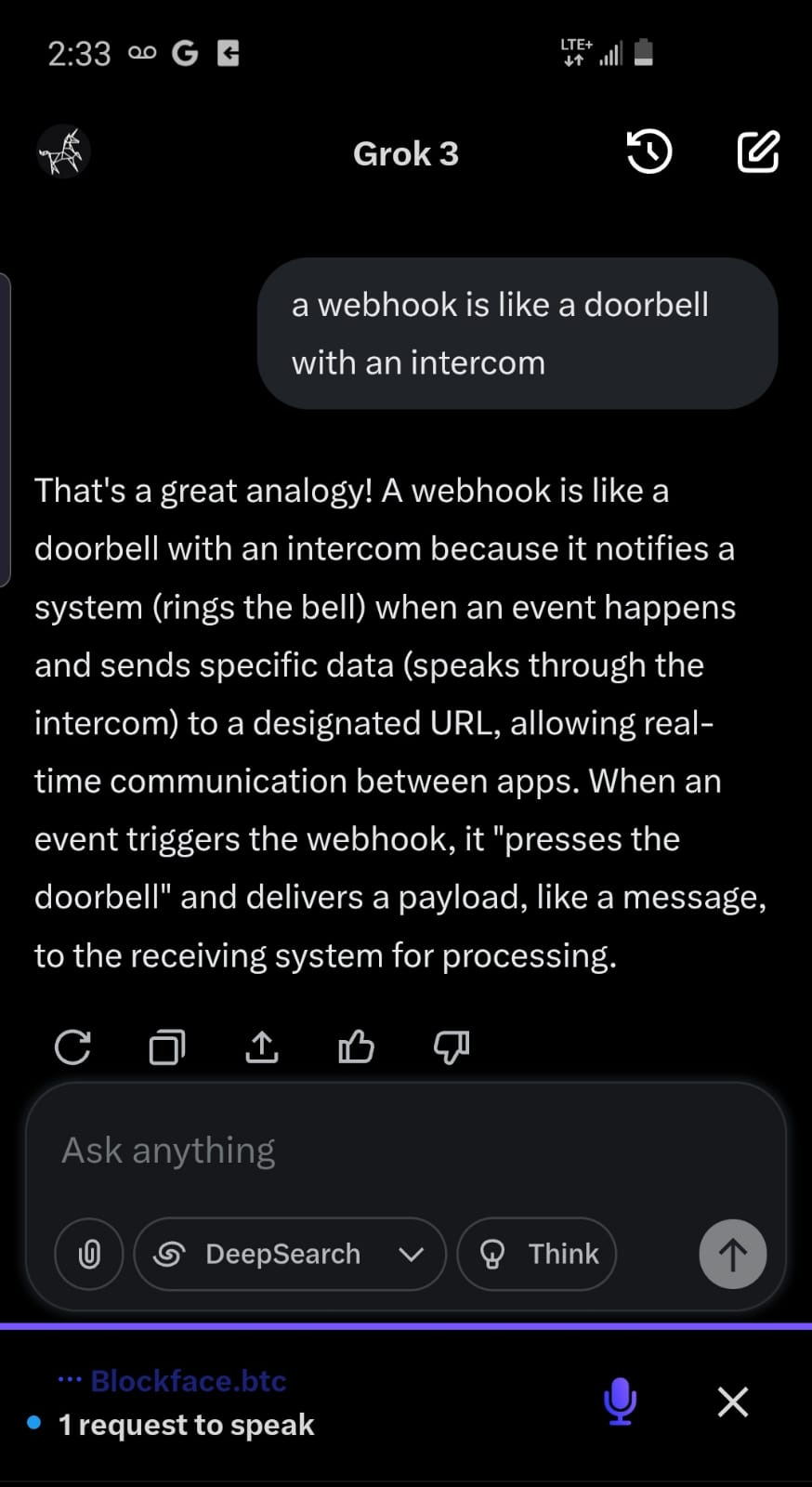
So I started creating a ChatGPT Clone with HTML CSS JS on the Frontend for the user interface and used python and flask to create the API which works a lot like a…doorbell with an intercom! Only this time I connected the doorbell and the intercom to OpenAI. And just like that I added the capability of AI to simple HTML CSS and JS.
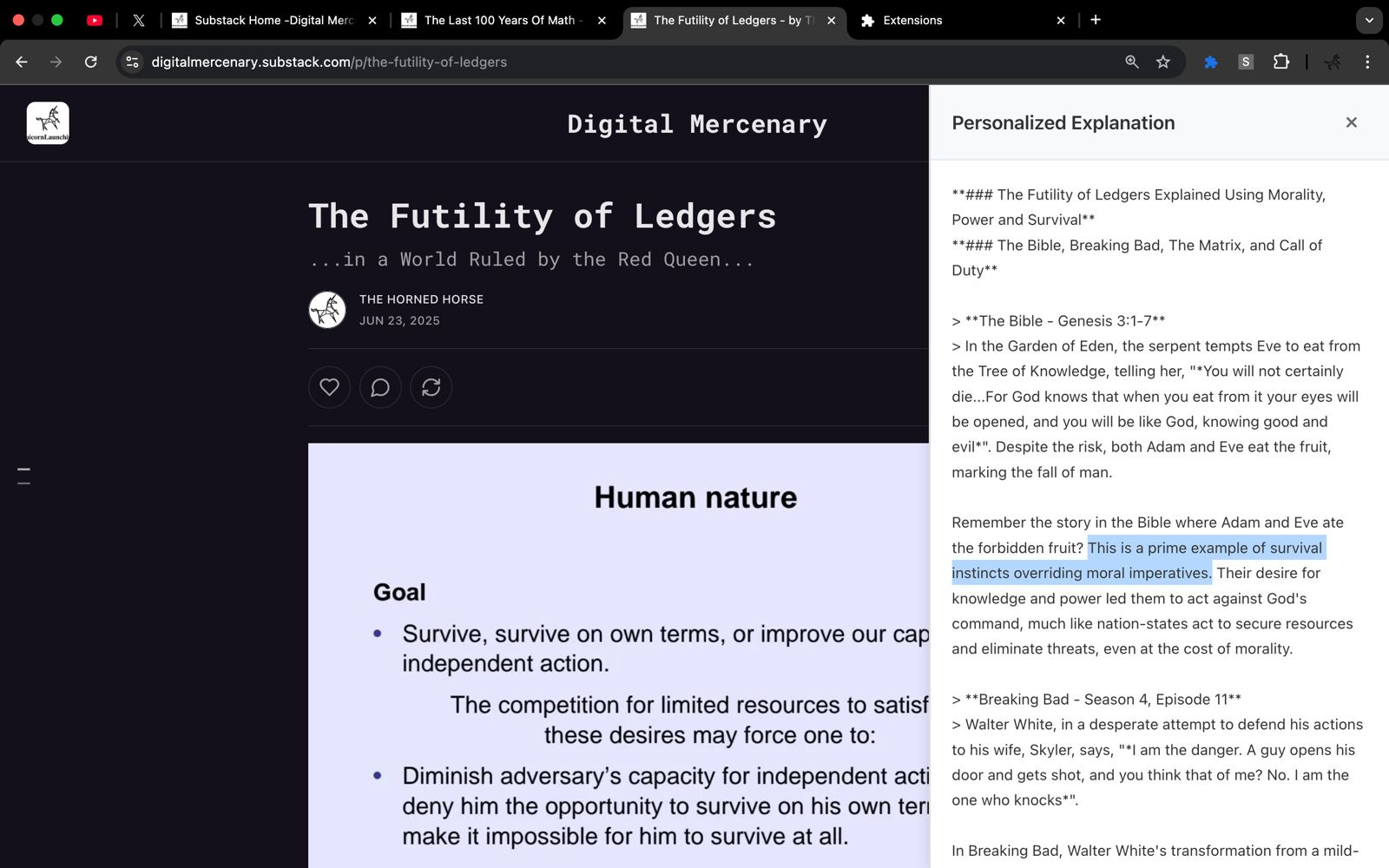
But then, because I must be suffering from SOMETHING, I said…hey…Rocky keeps telling me about n8n. I wonder if I can use n8n as my Backend? Sure enough, you can, and I did.
A Typical Day At Exponent Labs
And then, because I’m cursed, I thought…since I’m not writing ANY OF THE CODE MYSELF because the LLM is…what if I tried writing the Backend in RUST? And wouldn’t you know it…I had a ChatGPT clone with an HTML CSS JS Frontend and a Rust Backend. Can you see the ascot I’m wearing around my neck?
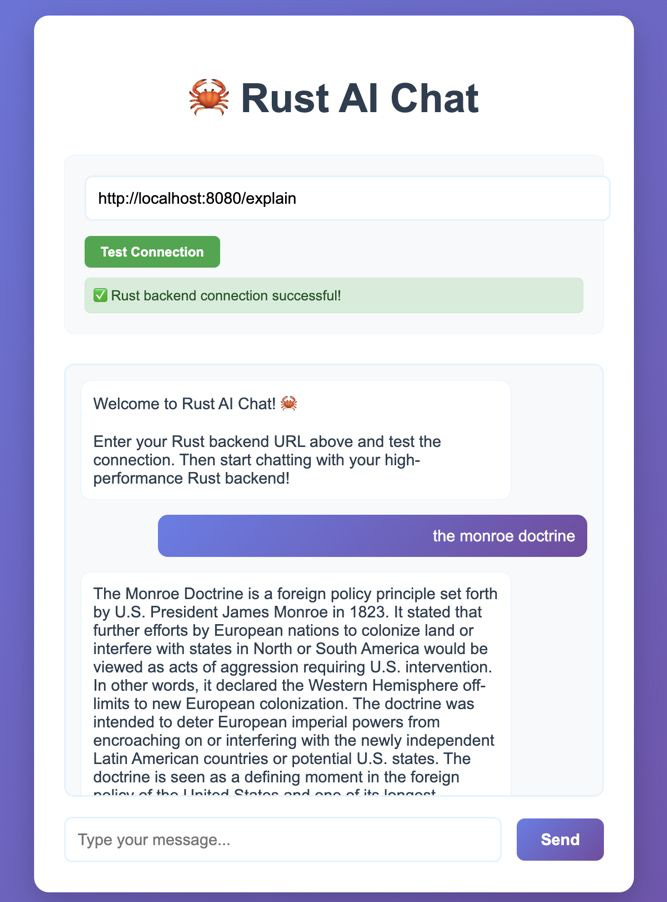
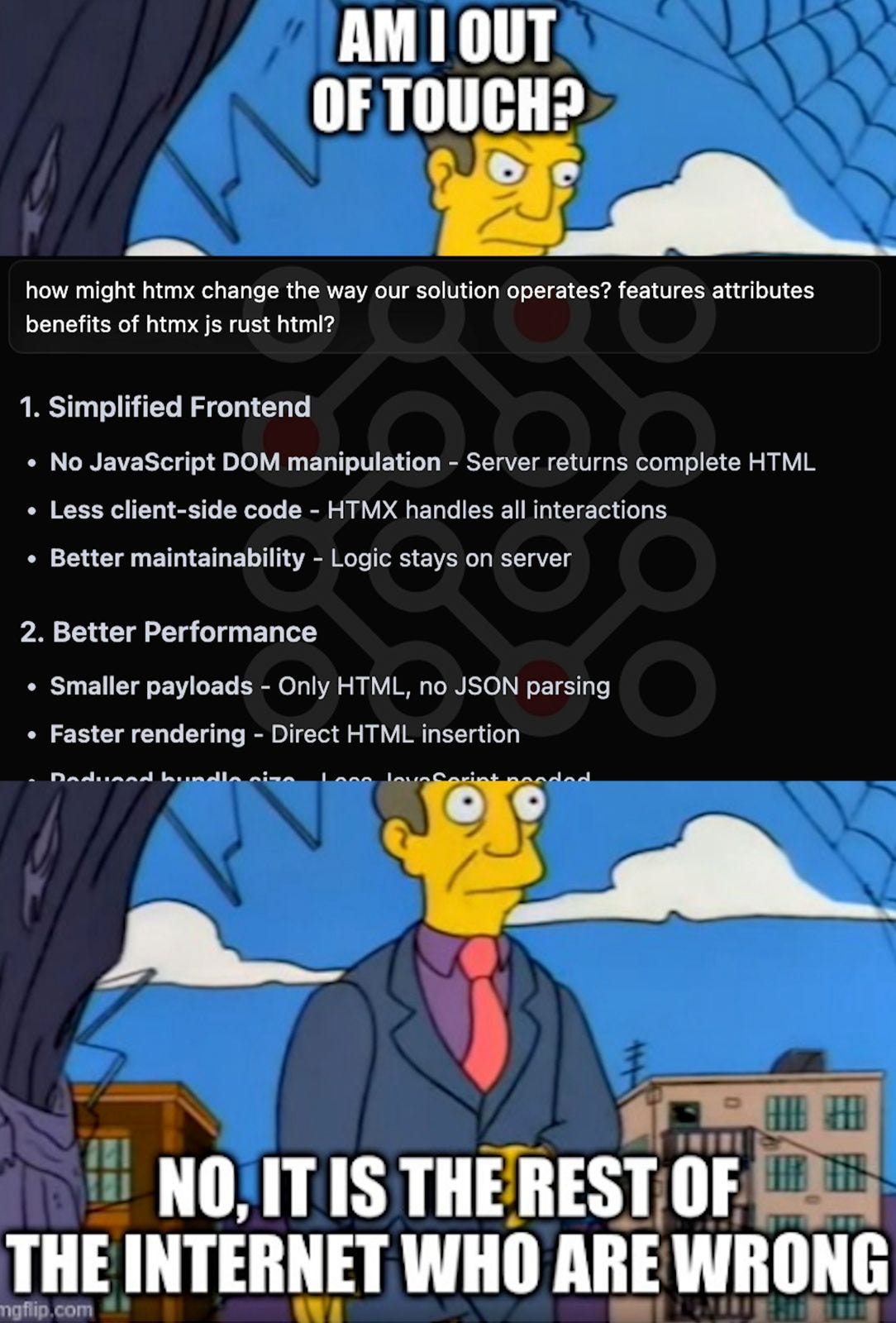
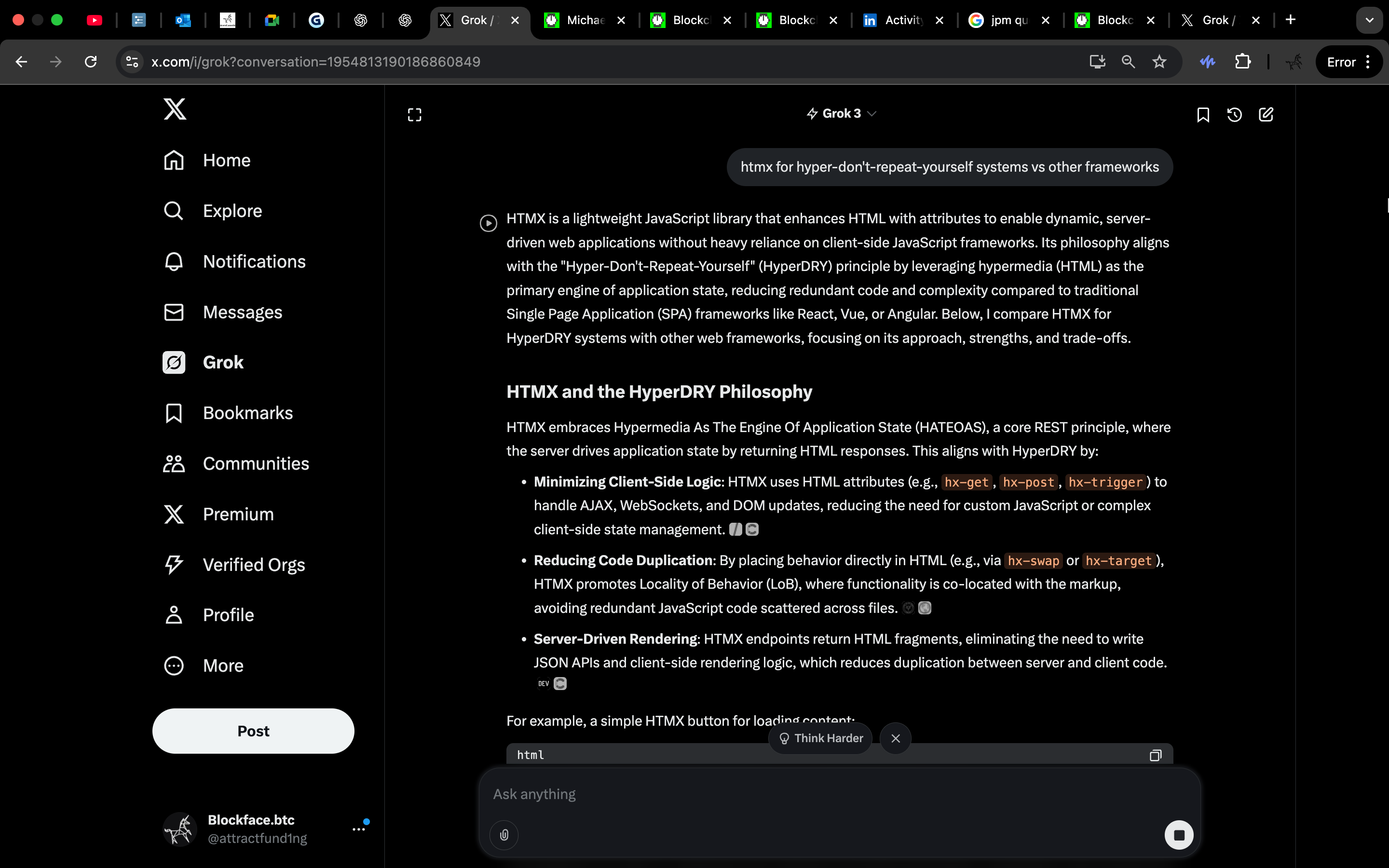
THEN, BECAUSE I MUST BE A HIPSTER, I said, why not HTMX. I trust that guy from Montana. Something about him…I trust. Turns out HTMX is a way to hyper-DRYve your code. DRY means Don’t Repeat Yourself, which Javascript fails at. LLM magic later…YUP.
Then I started complaining to Rocky about how the CSS was so repetitive - hadn’t it heard of Kolmogorov Complexity? He said I should use BEM-style CSS if I wanted clean CSS without dependencies…and wouldn’t you know it? The LLM did that too.
And now that I’d figured out how to create a ChatGPT clone with HTML, CSS, JS, Rust and HTMX…I needed to go for a walk.
Then I had an idea…if I really want people to use my apps, I have to fish where the fish are, while they’re swimming. That meant that I would have to create a Google Chrome Extension so my AI could be with them every step of the way.
And wouldn’t you know it? The LLM did that too. So now I had a Google Chrome Extension written in HTML CSS JS as my user interface getting answers from OpenAI using my Rust HTMX Backend.
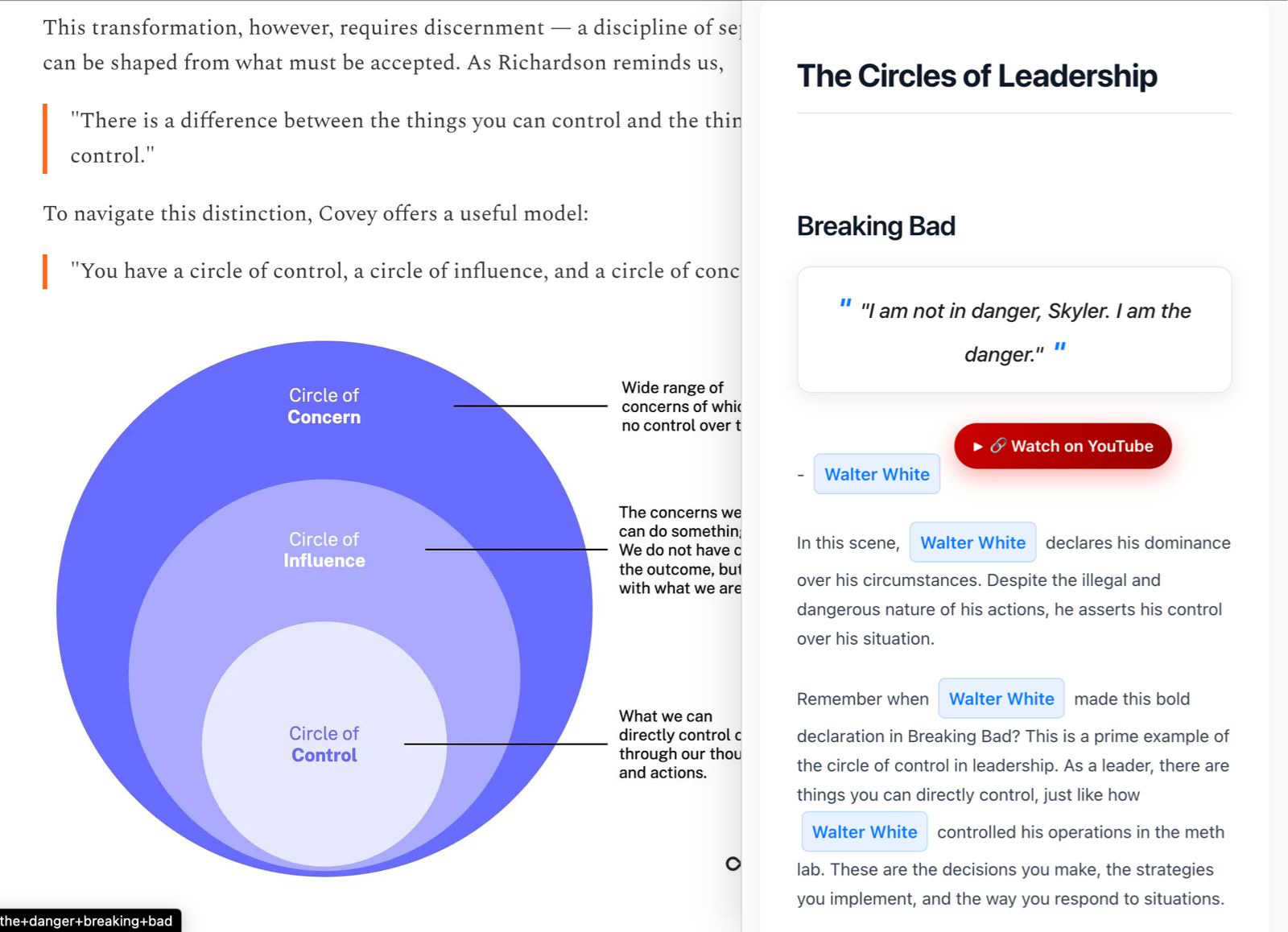
And then, for the first time, I saw something I didn’t expect. I saw the Kullback-Leibler Divergence. The Kullback-Leibler Divergence states that what the learner learns is a function of what they already know. Uh oh.
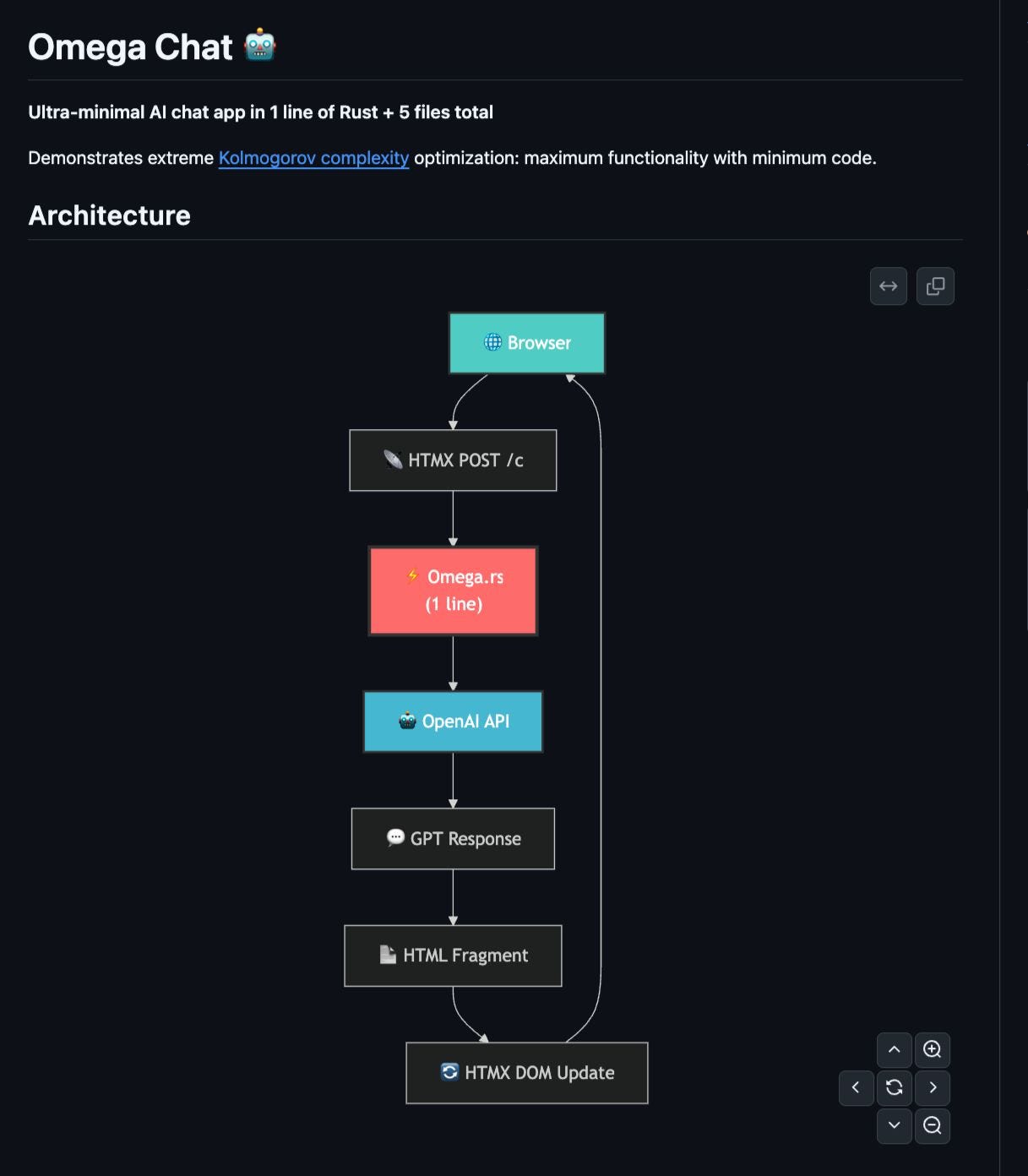
Then I started thinking about the other theories from Information Physics, like Kolmogorov Complexity introduced to me by Robert Whetsel. And I used that idea to create a chatgpt clone with two lines of Rust.
And from Frontend to Backend I went from The Kullback-Leibler Divergence to Kolmogorov Complexity to Bisociation and Homospatial Thinking and Janusian Thinking and Category Theory and PESTEL and then realized oh no functors natural transformations isomorphisms…
And so the team and I have a plan. A plan for AGI.
But wait…where the hell do you host AGI? Again, Rocky to the rescue.
The cool kids are calling it Infrastructure as Code. So far, we’ve talked about software. But software without infrastructure is dead. And that’s where Rocky suggested Railway.
Think of Railway as like scale-as-a-service. Me, I’m using HTMX and Rust because I want a solution that’s fast, handles users concurrently, and reuses code as much as possible. I want the same level of rigour applied to the infrastructure I’m using.
Do you know what it feels like to see your code deploy.
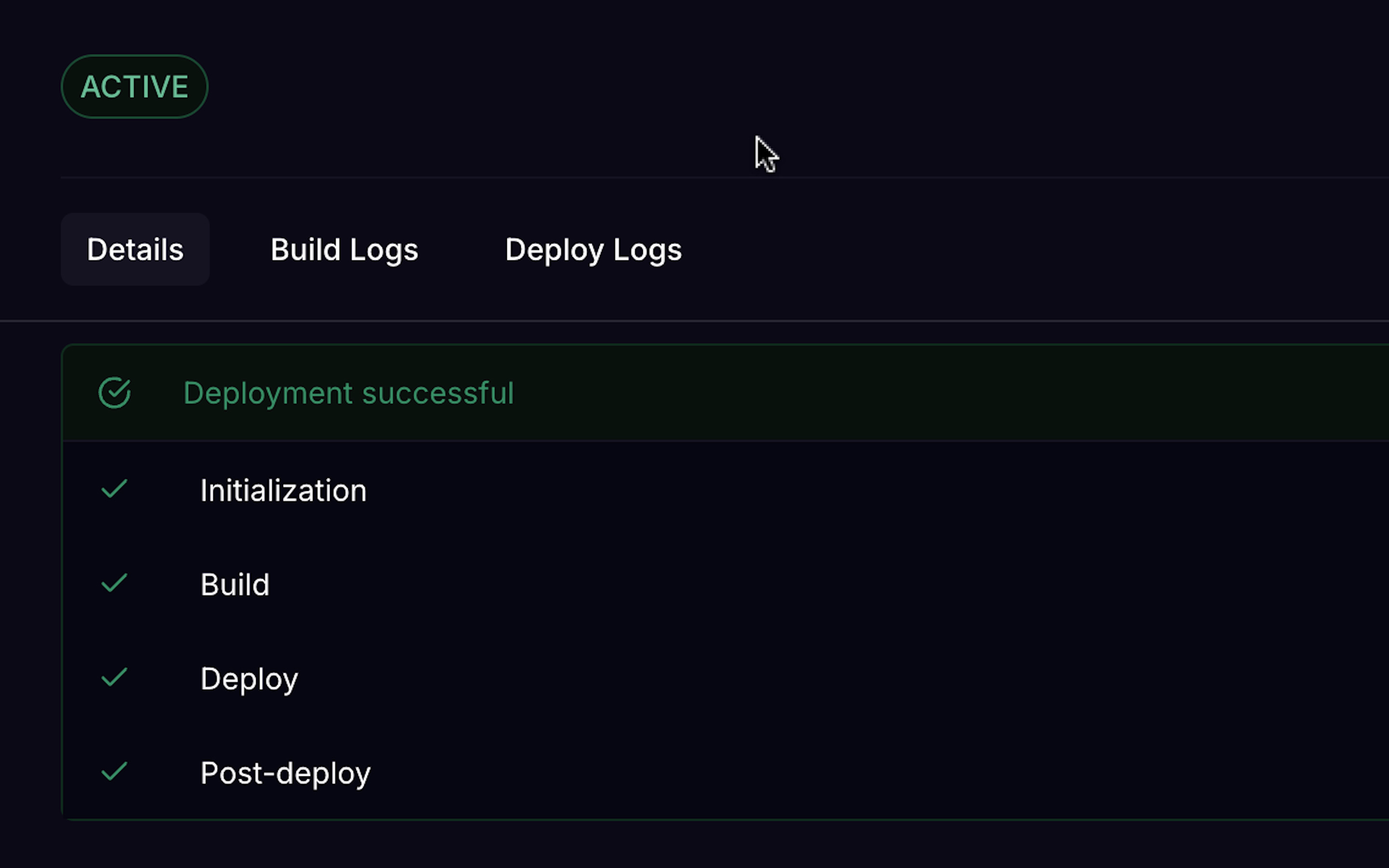
Of course, no deployment is complete without a test.
I need to go for a walk now.
AGI is here; it’s just not evenly distributed yet.
We’re going to build AGI based on a recipe of algorithms and boredom.